01
Still
Leaves hang without moving. Smoke goes straight up.
The garment
Everything stays where you put it. The hem hangs against the leg, the front panels sit closed against each other.
Watch
Nothing yet. This is the shape you chose in the mirror.
Windhold · a reading, not a measurement
The plate below needs no account. Drag it.
Nobody thinks about wind in a fitting room. Then you are on the seafront, on a bridge, on a ridge, and the hem is somewhere behind you.
Photograph the garment flat. Windhold reads its openings and shows you which ones take air, and what the cloth does as conditions build.
 Illustrative — not a simulation
Small branches move. A flag lifts and extends.
The front opening no longer closes on its own. The hem stays off the leg on the downwind side. Cuffs start to fill.
Front opening, hem, cuffs.
Grade is written out and drawn with a different stroke for each step, so it never depends on telling two colours apart.
This list appears on every reading the tool produces, and it is never allowed to be empty. It is the honest half of the answer.
Three steps, in this order, with no way to skip the middle one. The opening map has to be settled before anything is allowed to move — you cannot judge behaviour you have not first agreed the structure of.
 01
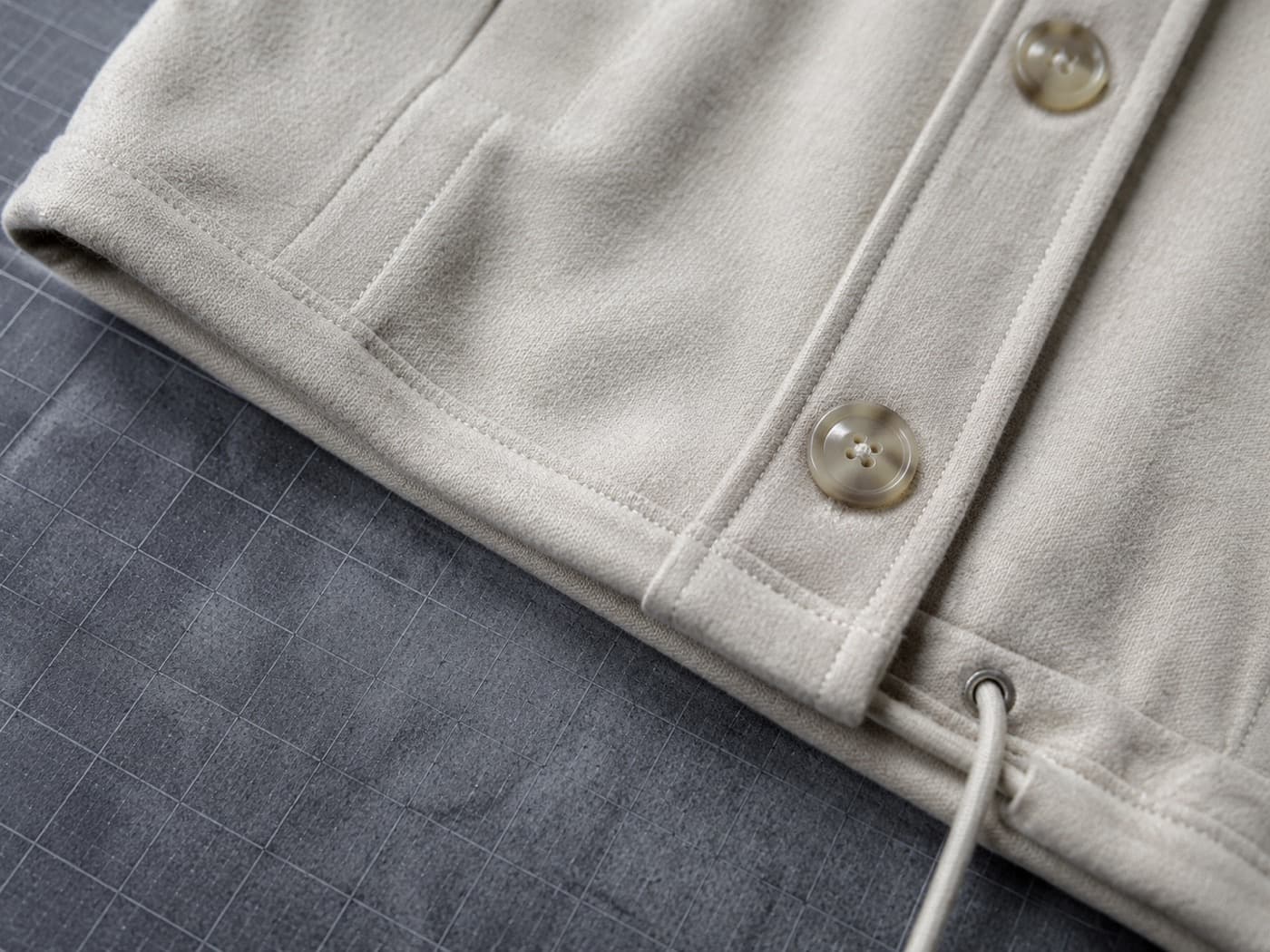
01Straight down, whole garment in frame, nothing worn. Flat is not a preference — a worn garment hides the hem edge, the placket and the cuff, which are the only things the reading has to go on.
 02
02Five places can take air: hem, front opening, cuffs, hood, collar. Each is marked and graded, and the grade is written out as well as drawn, so it never depends on telling two colours apart.
 03
03A marking is a still thing, and a still thing cannot say which way an edge travels. The behaviour clip can. It is a short, silent, repeating look at the garment in moving air, with the mark burned into it.
There are no figures on this site. Not in any unit, not on any scale. Windhold does not measure wind and is not connected to any weather service, so a number would look like something you could depend on when it is not. A band is what is happening to the leaves, the flags and the umbrellas around you.
Leaves hang without moving. Smoke goes straight up.
Everything stays where you put it. The hem hangs against the leg, the front panels sit closed against each other.
Nothing yet. This is the shape you chose in the mirror.
Leaves rustle. A loose thread drifts sideways.
The lightest edges begin to answer. A hem edge lifts a finger's width and drops back. The front panels part and close again.
Hem first, then the front opening.
Small branches move. A flag lifts and extends.
The front opening no longer closes on its own. The hem stays off the leg on the downwind side. Cuffs start to fill.
Front opening, hem, cuffs.
Large branches sway. An umbrella becomes hard to hold.
The hem is carried and held up rather than lifted and dropped. A hood that is not adjusted fills and sits out behind the neck. The collar takes air.
Hood and collar join the hem and the front opening.
Whole trees move. Walking into it takes effort.
Every opening is working at once. Loose cloth is pulled flat against the back and the garment stops behaving like the shape it was cut as.
All five openings. Closures decide what happens next.
Scroll the row sideways, or use the arrow keys.
A marked-up photograph tells you a hem can take air. It cannot tell you which way it goes or how far. Every clip is a flat garment, silent, repeating, with the mark burned in.
Knit, unfastened, no closures anywhere
Hood down and unadjusted, zip open
Loose from the knee down, no hem closure
One continuous edge, nothing to fasten
Clips have no audio track, contain no person, and loop through a cross-faded seam so nothing snaps back to a first frame. Press Loop check on any clip to watch the seam on its own.
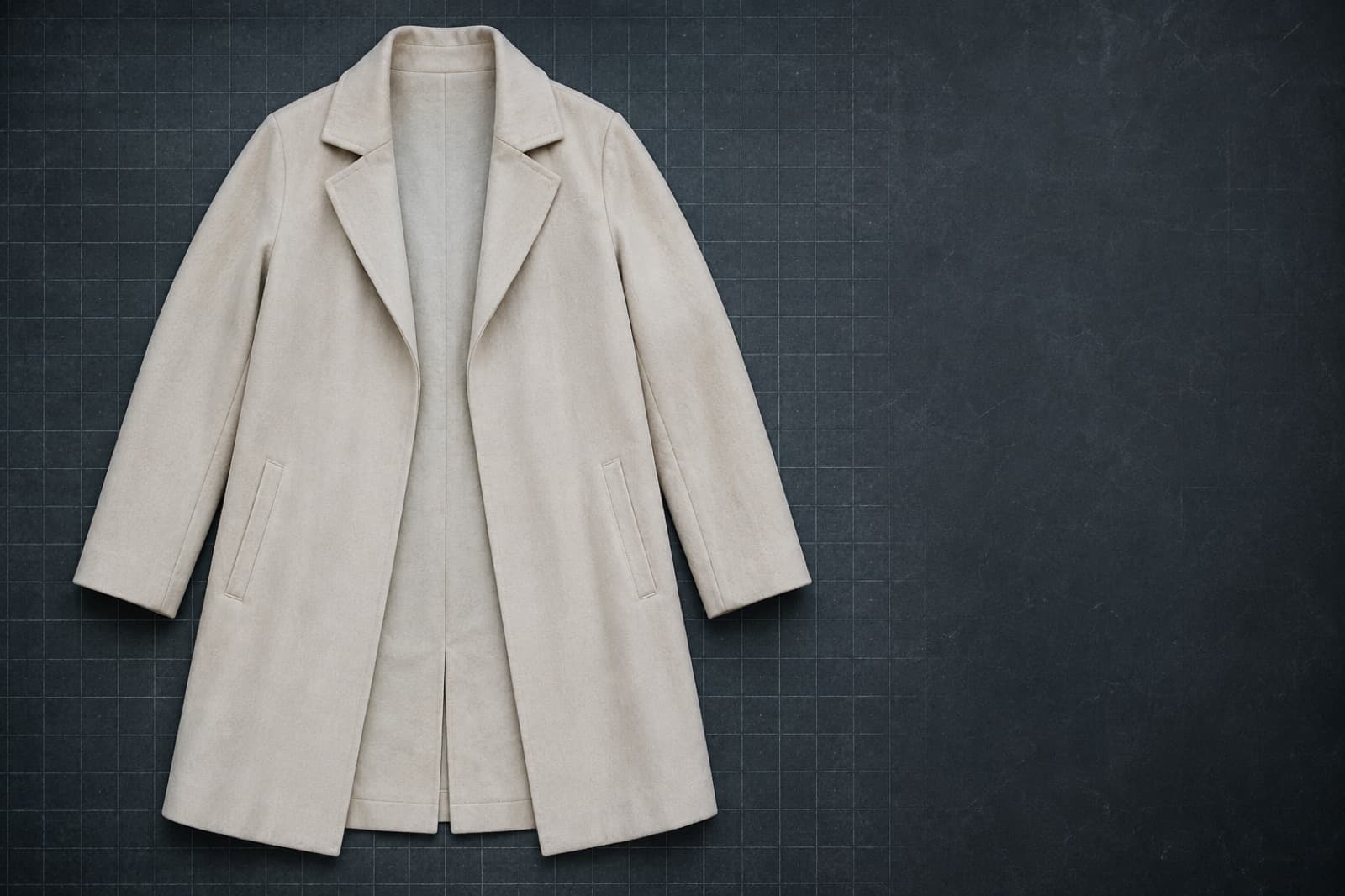
Your own photograph with each opening marked and graded, and every label set by the interface rather than drawn by a model, so the words on it are always the right words. Five credits a version, and free plans get it.
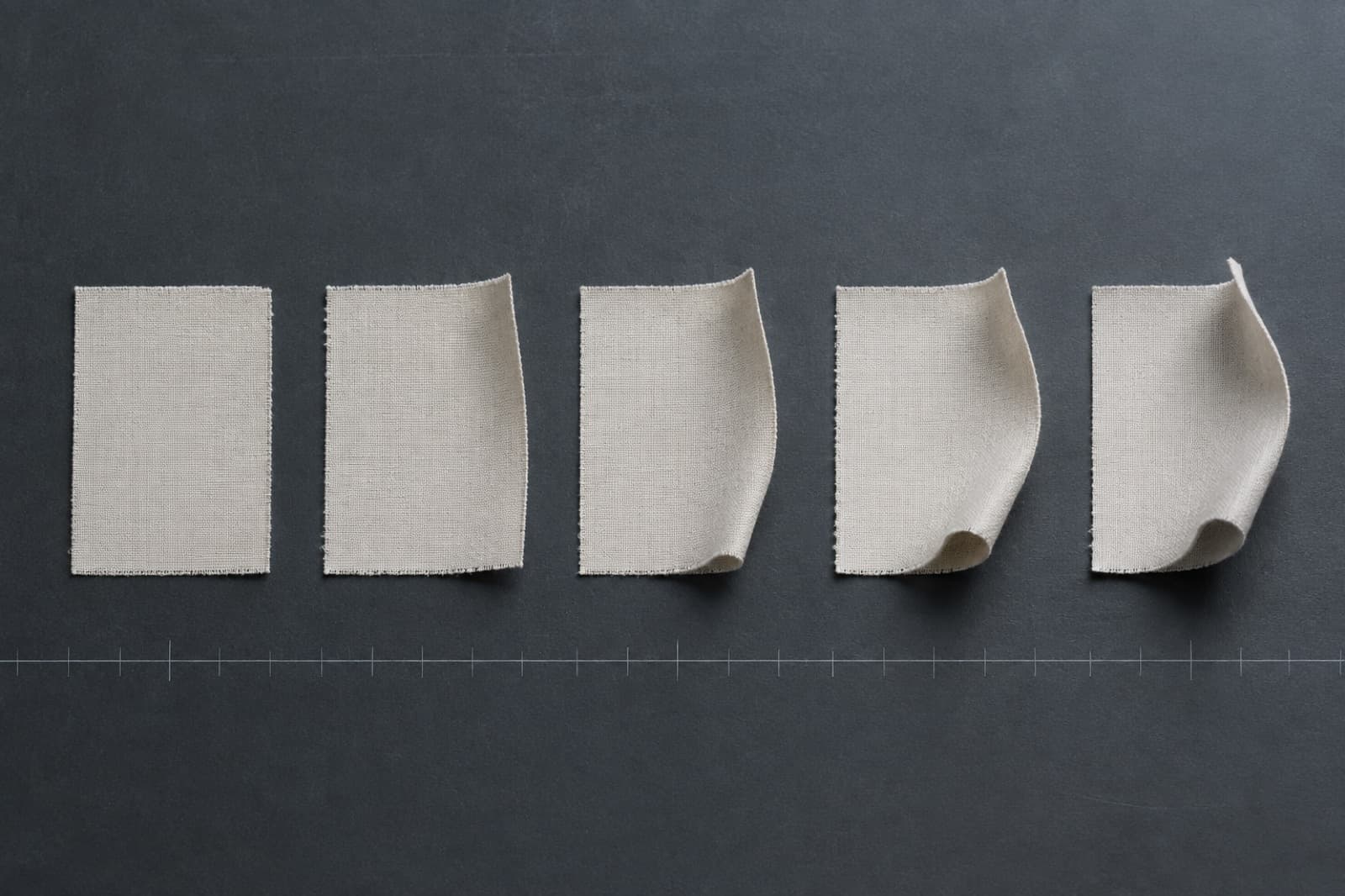
One row per band, one column per opening, so you can see at a glance where a garment stops behaving like the shape it was cut as. Included with the map.
Windhold makes no claim of any kind about windproofing, wind resistance, or protective performance. It has no rating, no index and no verdict, because none of those can be read off a photograph of a garment lying flat.
It is not for any situation where wind is a safety factor — work at height, anything on the water, exposed or extreme conditions. For those, use equipment certified for the purpose. When a scene you describe reads that way, the tool stops instead of producing a reading, and says so.
Read the AI notice in fullA free plan takes one garment all the way to a finished opening map and band card, adjusting it as often as you like. What it does not get is movement — and movement is the part you cannot produce yourself, because you cannot photograph your own coat in moving air from directly above.
Prices are in US dollars, all taxes included. Plans renew automatically until cancelled, and cancelling is one click.
Yearly is billed once for twelve months. Same monthly credit allowance either way.
$0USD
All taxes included · 50 credits each month
Enough to take one garment all the way to a finished opening map, adjusting it as many times as you need.
No card, no renewal, nothing to cancel.
$12USD/month
All taxes included · 460 credits each month
The plan where the garment starts moving. A behaviour clip costs 50 credits, so this is roughly nine of them a month.
Renews automatically every month at $12 USD, all taxes included, until you cancel. Cancel in one click from Usage and subscription; your plan stays active to the end of the period you have paid for.
$36USD/month
All taxes included · 1750 credits each month
For a wardrobe rather than a garment: keep every reading side by side and re-run them against a new scene.
Renews automatically every month at $36 USD, all taxes included, until you cancel. Cancel in one click from Usage and subscription; your plan stays active to the end of the period you have paid for.
Credits are a service usage allowance included with a plan. They are not money, not stored value, not redeemable for cash and not transferable. They are issued for one billing period and do not carry over.
There are no credit packs and no top-ups. We do not sell credits separately at all. If an allowance runs out, the only route is a higher plan.
No. Nothing here is tested and nothing here is calculated. What you see is an illustration built from reading the structure of the garment in your photograph — where the openings are, whether they have anything to close them, and roughly how heavy the cloth looks — combined with general knowledge of how cloth with that structure tends to behave in moving air.
That is why every clip carries the mark Illustrative — not a simulation burned into the image, in a place it cannot be cropped out of without being obvious. Full detail is in the AI notice.
No, and we will not try. Windhold makes no claim of any kind about windproofing, wind resistance, or protective performance. It describes how cloth moves. Those are different questions, and only one of them can be answered from a photograph.
If wind is a safety factor in what you are doing — working at height, anything on the water, exposed or extreme conditions — this tool is not for it. Use equipment certified for that purpose. When a scene you describe reads that way, the tool stops and tells you so instead of producing a reading.
Because we do not measure wind and are not connected to any weather service. A figure would look like something you could rely on, and it would not be. Bands are described only by what you would see around you: leaves hanging still, a flag extending, an umbrella becoming hard to hold.
Every reading also lists what the service cannot know — the actual conditions where you are standing, gusts, what you are doing, and which way you are facing. That list is never empty.
Your photographs and the scene descriptions you write are never used to train any model, ours or anyone else's. They are processed to produce your reading and nothing else.
Uploads are kept for 30 days so you can come back to a reading, then deleted. You can delete any garment and its photographs at any time from the tool, which removes them immediately. Full detail, including your rights and how to complain to the CNIL, is in the privacy policy.
It is an estimate from structure, not a measurement, and it can be wrong. A photograph does not show interfacing, thread weight, seam allowance or how a garment was pressed, and all of those change how an edge behaves. Treat the reading as a way of noticing which openings exist and what they tend to do, not as a verdict.
If a reading comes back plainly wrong for a garment, contact support and we will re-run it and credit the attempt back.
Credits are a service usage allowance included with a plan. They are not money, not stored value, not redeemable for cash and not transferable. They are issued for a billing period and do not carry over into the next one.
There are no credit packs and no top-ups — we do not sell credits separately at all. If a plan's monthly allowance runs out, the only route is to move to a higher plan, which takes effect immediately.
Cancelling takes one click from Usage and subscription — the same number of steps it took to subscribe, on the same screen, with no retention flow in between. Your plan stays active until the end of the period you have already paid for, and does not renew.
As a consumer you have a 14-day right of withdrawal on a digital service. Because starting the service immediately means waiving it, checkout asks you to agree to two separate, unticked statements before that can happen, and repeats both in your order confirmation. If you do not tick them, the 14 days run as normal. See Right of withdrawal and the terms of sale.
No. The tool only accepts a garment laid flat, and it checks for that before anything is processed. A photograph that appears to contain a person is refused at the point of upload and is not stored.
There are two reasons. A worn garment hides exactly the structure the reading depends on — the hem edge, the placket, the cuff. And nothing this service produces will ever contain a human likeness.
Yes. Windhold is not intended for anyone under 16, and accounts may not be created by or for them. If we learn that an account belongs to someone under 16 we close it and delete the data associated with it.
That is the whole input. Fifty credits a month on the free plan, no card, and the safety notes and the cannot-know list are never covered by a watermark.